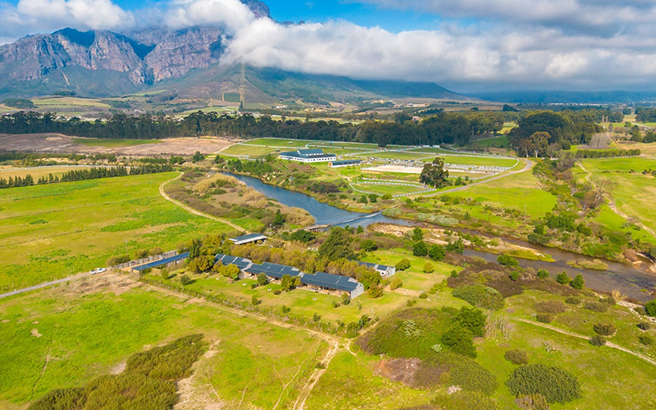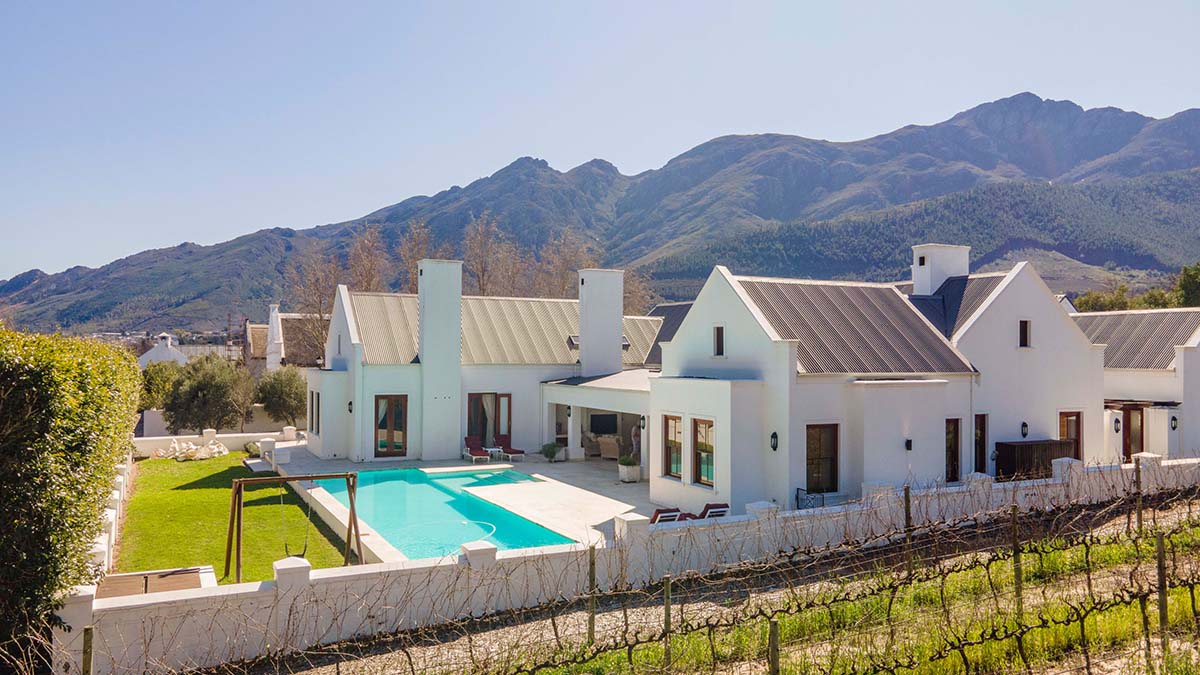
The Cape Winelands has become an increasingly attractive destination for buyers looking to invest in lifestyle properties such as smallholdings, vineyards and luxury farms. Whether you are planning to purchase a rural retreat near Stellenbosch, Franschhoek or the surrounding valleys, understanding the practical, legal and financial considerations is essential before committing to a purchase. Buying a smallholding is not only about the scenery and lifestyle appeal; it requires careful evaluation of the land, infrastructure and long-term viability of the property.
Location Matters
The location of a smallholding plays a major role in its success and practicality. Buyers should consider climate conditions, soil quality and proximity to nearby towns and markets. Easy access to tar roads can make transport of goods and supplies far more efficient, while being within reasonable distance of amenities such as schools, medical facilities and retail centres adds long-term convenience. Security in the surrounding area is another important factor, particularly for properties located in more rural settings.
Assess the Land and Soil
Understanding the land itself is critical when purchasing a smallholding. Soil fertility, drainage and composition will determine whether the property is suitable for vineyards, crops, livestock or simply lifestyle living with limited agricultural activity. A professional soil assessment can help confirm whether the land supports your intended use. Buyers should also take note of environmental factors such as wetlands or conservation restrictions that could limit development or farming activities.
Secure and Reliable Water Supply
Water availability is one of the most important considerations when buying agricultural land in the Winelands. Confirm whether the property has access to boreholes, dams, municipal supply or natural water sources such as rivers. Equally important is verifying that the property has the necessary water rights or usage allocations. A property may have water infrastructure in place, but without the correct rights, long-term use could be restricted.
Infrastructure and Improvements
Existing infrastructure should be carefully inspected to determine its condition and functionality. This includes fencing, farm buildings, irrigation systems, electricity connections and access roads. Repairs or upgrades to infrastructure can significantly affect the total investment required after purchase. Ensuring that these elements are suitable for your intended lifestyle or farming operations can prevent unexpected costs.
Legal and Zoning Considerations
Before finalising a purchase, it is important to review the legal aspects of the property. Buyers should examine title deeds, zoning regulations, servitudes and any potential land claims. Zoning determines how the land may legally be used, whether for agriculture, residential purposes or tourism activities. Clarifying these factors with a property professional or conveyancer helps avoid complications after transfer.
Financial Planning
Owning a smallholding involves more than the purchase price. Buyers should evaluate ongoing costs such as maintenance, labour, insurance and operational expenses if farming activities are planned. Understanding local market demand, whether for agricultural produce or rural tourism, can also help determine the property’s long-term investment potential.
Sustainable Land Management
Responsible land management is an important part of owning a lifestyle farm or smallholding. Planning for sustainable water use, pest management and environmentally responsible practices helps protect the land while maintaining productivity. Building positive relationships with neighbouring farms and the local community also contributes to the long-term success of rural living.
Buying a smallholding in the Winelands offers the opportunity to enjoy a unique lifestyle surrounded by vineyards, mountain landscapes and open countryside. With careful planning, thorough due diligence and a clear vision for the property’s use, buyers can make an informed investment that balances lifestyle appeal with practical long-term value.