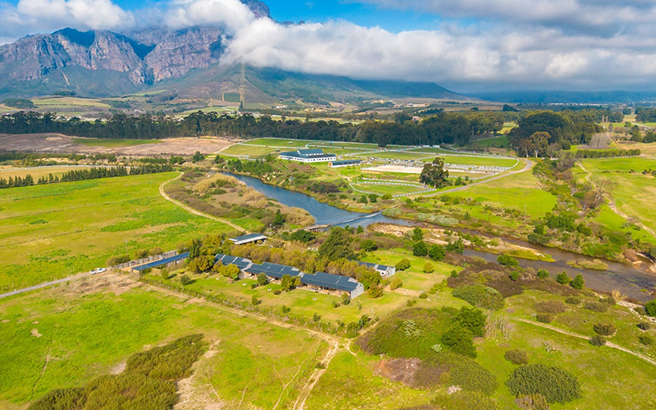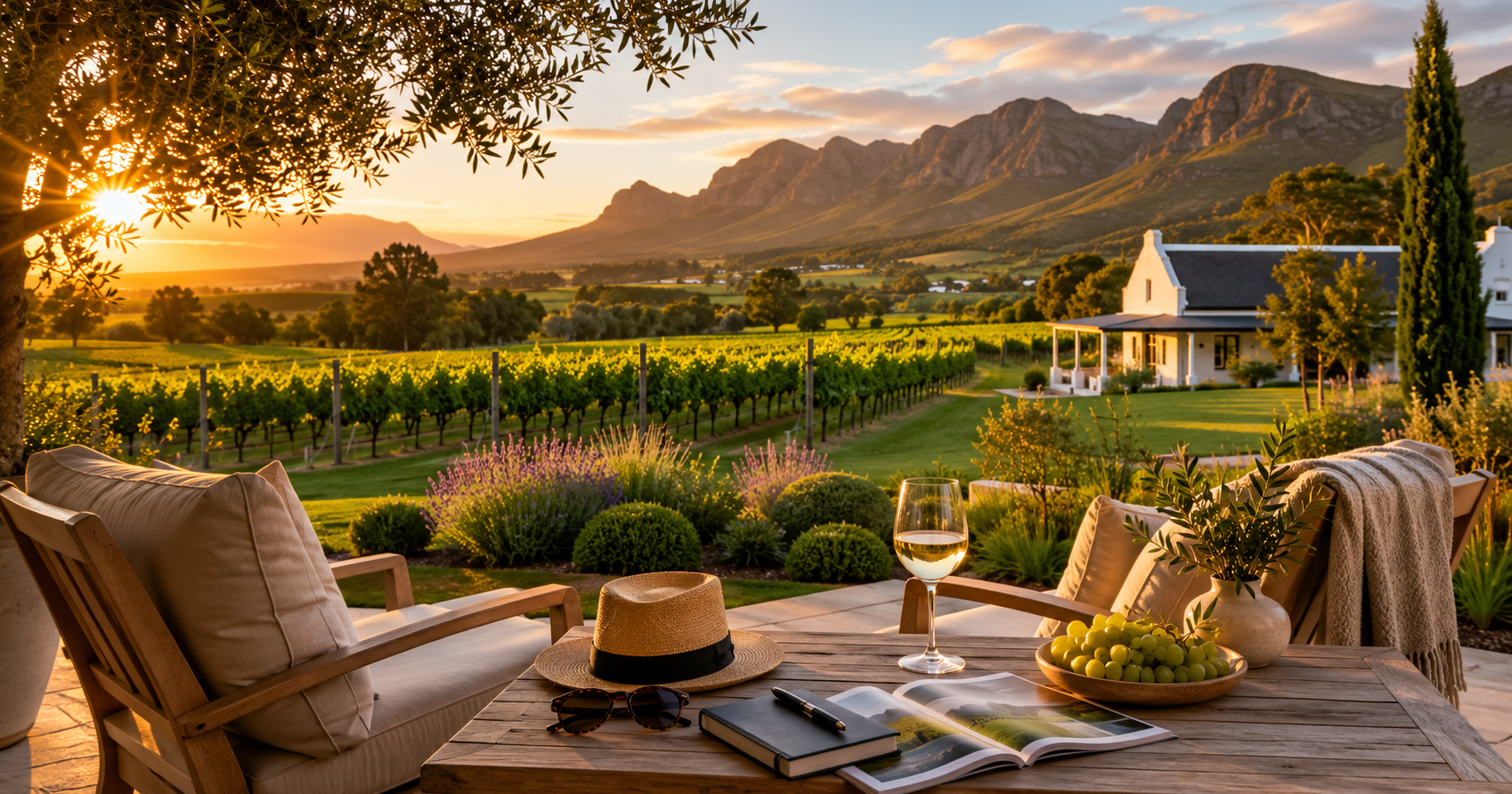
The dream of owning a lifestyle farm or vineyard in the Cape Winelands continues to attract buyers seeking space, privacy, natural beauty, and a deeper connection to the land.
Whether you’re considering a smallholding in Wellington, a vineyard in Stellenbosch, or a lifestyle estate in Franschhoek, buying agricultural property requires a different approach to purchasing a conventional home.
Before committing to your Winelands dream, focus on these five key considerations.
1. Water: The Most Important Asset
When it comes to agricultural property, water is everything.
Before purchasing, establish:
- What water sources are available (boreholes, dams, rivers, or municipal supply)
- Whether registered water rights are in place
- The reliability of the water supply throughout the year
- The condition of existing irrigation infrastructure
A beautiful property without sufficient water can quickly become a costly investment.
2. Understand the Land and Soil
Not all land is created equal.
The property’s topography, soil composition, and drainage will influence what can be grown and how easily the land can be managed. If you’re considering vineyards or orchards, professional soil testing is highly recommended.
Look for:
- Well-drained soil
- Suitable pH levels for intended crops
- Good sun exposure
- Land free from flooding or persistent waterlogging
The right soil can significantly enhance both productivity and long-term value.
3. Assess Existing Infrastructure
Infrastructure can add substantial value or unexpected expense.
Inspect:
- Farm buildings and storage facilities
- Irrigation systems and pumps
- Fencing and access roads
- Electrical supply and backup power solutions
In today’s environment, properties with solar power, battery backup, and energy-efficient systems are particularly attractive.
4. Check Zoning and Development Potential
Before making an offer, confirm exactly what you are legally permitted to do on the property.
Key considerations include:
- Agricultural zoning regulations
- Building restrictions
- Environmental or conservation limitations
- Future expansion opportunities
Understanding these factors upfront can prevent costly surprises later.
5. Plan Beyond the Purchase Price
A lifestyle farm offers tremendous rewards, but ownership comes with ongoing responsibilities.
In addition to the purchase price, budget for:
- Water and electricity costs
- Infrastructure maintenance
- Security and insurance
- Labour and equipment expenses where applicable
A realistic financial plan ensures your investment remains enjoyable and sustainable.
The Value of Expert Guidance
Lifestyle farms and vineyard properties are unique assets that require specialist knowledge. Working with experienced agricultural property professionals, legal advisors, and technical consultants can help identify potential risks before they become expensive problems.
The Bottom Line
Buying a lifestyle farm in the Cape Winelands is about more than acquiring land, it’s about investing in a lifestyle. By focusing on water security, land quality, infrastructure, zoning, and long-term financial planning, buyers can make informed decisions and confidently pursue their Winelands property goals.
Whether you’re looking for a manageable smallholding, a working vineyard, or a countryside retreat, careful due diligence will help ensure your investment delivers both lifestyle and value for years to come.